
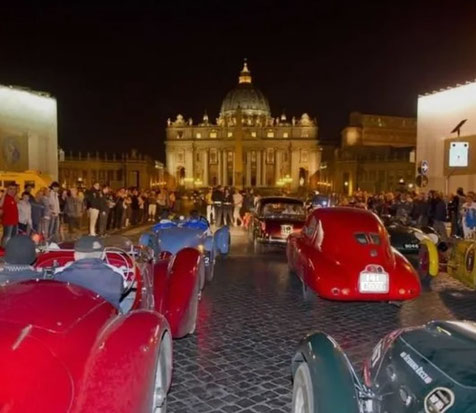
The Mille Miglia is a renowned classic car rally that retraces the historic 1,000-mile round trip from Brescia to Rome. More than just a race, it is an Italian legend on four wheels. Founded in 1927 as an open-road speed event between Brescia and Rome and back, the Mille Miglia has written some of motorsport's most exciting chapters. Enzo Ferrari himself called it “the most beautiful race in the world,” and Ferrari was its most successful participant, with 8 wins in the 11 post-war editions. The 2026 Mille Miglia runs from June 9 to June 13, featuring over 400 vintage cars on a five-day, 1,600-kilometer loop from Brescia to Rome and back. The event follows a legendary figure-eight route, passing iconic landmarks like Piazza del Campo in Siena and the Motor Valley in Modena. Vintage cars arrive in Rome on the evening of Thursday, June 11, attracting thousands of spectators to see some of the world's most stunning automobiles.
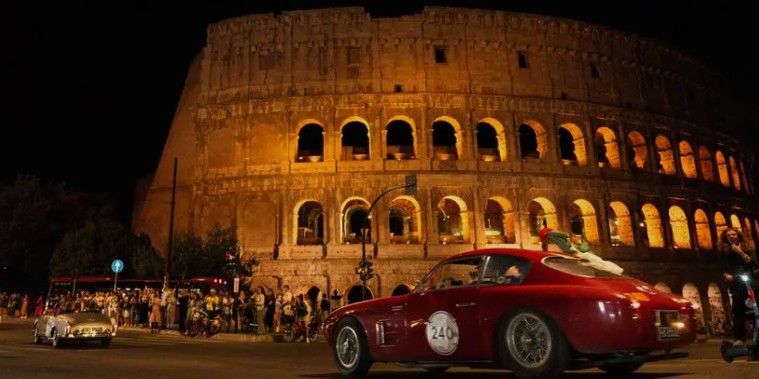
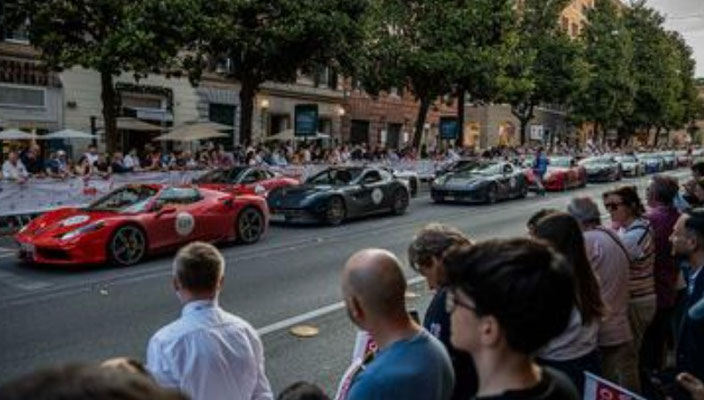
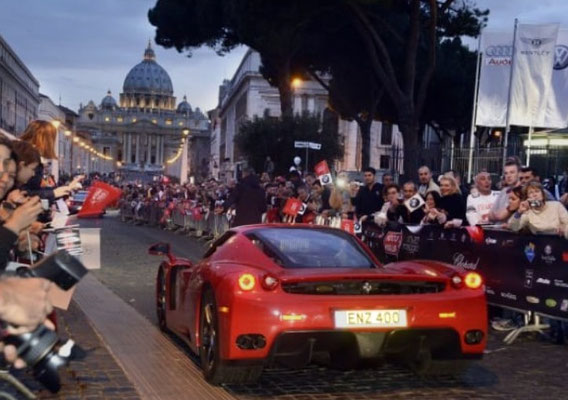
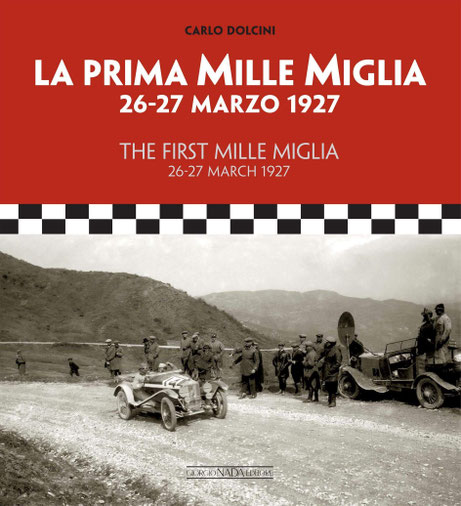
The Mille Miglia was created by four Brescia men—Count Aymo Maggi, Count Franco Mazzotti, sports manager Renzo Castagneto, and journalist Giovanni Canestrini—who wanted a prestigious race after Brescia lost the Italian Grand Prix to Monza. On March 26, 1927, 77 crews started from Brescia on a figure-eight course that reached Rome and returned to the start, covering about 1,600 km (roughly a thousand Roman miles, hence the name). The first winner was an O.M., a local Brescia car manufacturer. Between 1927 and 1957, 24 editions took place (excluding a break during World War II). The Mille Miglia was not a circuit race but a competition on public roads open to traffic, making it a unique, spectacular, and highly risky event.
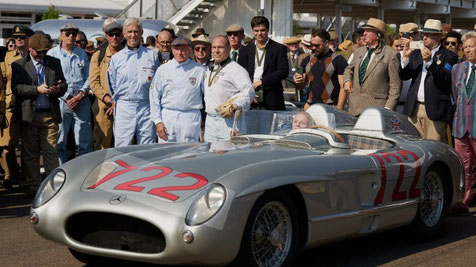
The Mille Miglia has a storied history in motorsport. Tazio Nuvolari, the 'Flying Mantuan,' won in 1930 by shadowing rival Achille Varzi in the dark and overtaking him near the finish. In 1948, at 55 and in poor health, Nuvolari built a 27-minute lead but retired due to mechanical issues—an inspiring yet tragic story. Stirling Moss set the record in 1955: 10 hours, 7 minutes, and 48 seconds over 1,597 km at an average of 157.65 km/h driving the Mercedes-Benz 300 SLR with navigator Denis Jenkinson who used pace notes. Moss beat Juan Manuel Fangio by over 30 minutes. Piero Taruffi, the 'Silver Fox,' won his only Mille Miglia in 1957 at age 50, the last race of its kind. In 1977, Brescia enthusiasts revived it as a vintage car rally. Today, it's a rally where participants aim to maintain specific speeds and reach checkpoints with few penalties.
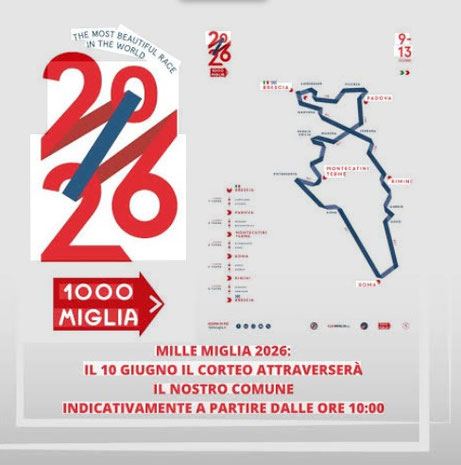
The 44th event this year from 9th June to 13th June. The route covers Brescia-Rome-Brescia, about 1,600 km on public roads. Approximately 400 selected crews compete annually. Eligible vehicles are models built before December 31, 1957, that participated in or were registered for at least one original edition. Major brands include Ferrari, Alfa Romeo, Maserati, Mercedes- Benz, Porsche, Jaguar, Lancia, Fiat, and more. Each crew receives a detailed roadbook with navigation instructions. The course is marked with the iconic red Mille Miglia arrows, and drivers must follow traffic laws. The route passes through Italy's most scenic regions, typically including Brescia (start and finish on Viale Venezia), Veneto ( Lake Garda - Desenzano , Vicenza, Padua), Emilia — Romagna (Ferrara, Modena, Reggio Emilia- part of the Motor Valley, the birthplace of engines ), Tuscany (Montecatini, Siena with its stunning Piazza del Campo), Lazio ( Rome, the traditional turnaround point), Umbria (Assisi, Gubbio), and Marche (Furlo Gorge, Rimini). The crossing s Emilia-Romagna's Motor Valley is especially evocative, with vintage cars parading through a land famed for Ferrari, Maserati, and Pagani, just kilometres from Maranello.
Write a comment