

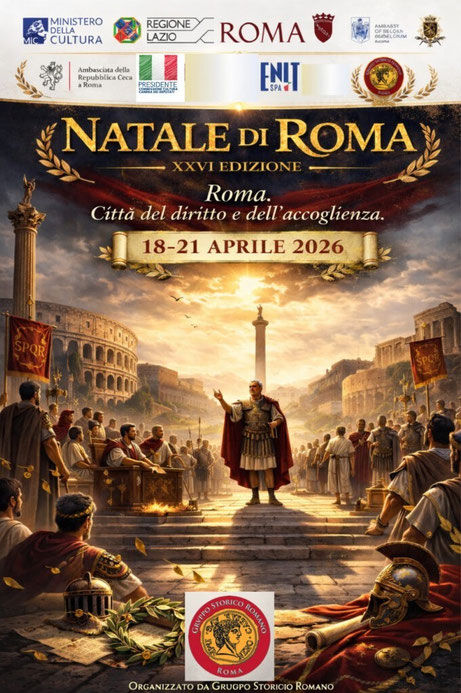
On Monday, April 21st, Rome will celebrate its 2,779th birthday, known as Natale di Roma, marking the founding of the city by Romulus in 753 BC. This celebration holds historical significance for Romans and features events that highlight cultural exploration and archaeological heritage. Rome's 2779th Birthday is celebrated with a free program throughout the historic centre, civic museums, and neighbourhoods. From April 18th to 21st, the Gruppo Storico Romano will host historical reenactments and educational activities at the Circus Maximus and throughout the city. This includes a Gladiator Tournament, interactive camps, and expert talks. The highlight will be the historical parade on April 19th, featuring over 2,000 reenactors in period costumes, offering an immersive experience of ancient Rome for both Romans and visitors.

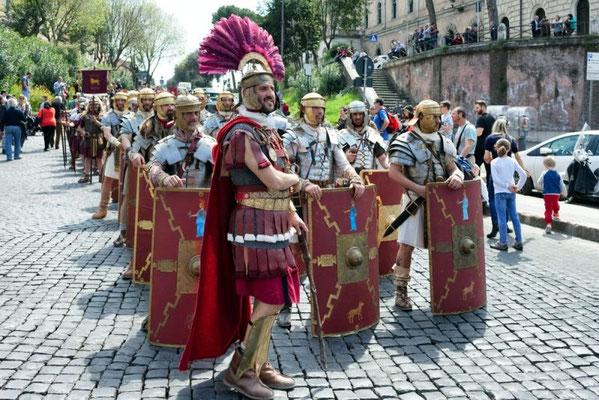

The main events take place on April 21, featuring concerts by military bands in several central squares, starting at 5:30 PM, including Piazza del Campidoglio. On April 21, Palazzo Senatorio will offer free visits to the Aula Giulio Cesare with prior reservations. Additional activities include a prehistoric-themed comic book presentation at Museo di Casal de’ Pazzi on April 19, a street art tour in Quadraro, and visits to various museums on April 21. On April 22, explore Palazzo Braschi, focusing on daily life in Rome from the 17th to 19th centuries. Tradition states that the city was founded during the Palilia festival, dedicated to the goddess Pale. It is said that Romulus marked the city's boundaries on the Palatine Hill by drawing the sacred furrow (pomerium). The year 753 BC was established by the astrologer Lucius Tarutius and scholar Marcus Terentius Varro and serves as the reference for the Ab Urbe Condita calendar. For 2026, the Capitoline administration has confirmed its traditional institutional protocol. The celebrations for Rome's birthday on April 21st typically begin with the Mayor of Rome laying a laurel wreath at the Tomb of the Unknown Soldier at the Altar of the Fatherland. This is followed by a solemn celebration inside the Capitoline Museums. One of the main objectives of the "Towards Rome's Birth" program is to enhance accessibility to cultural heritage.
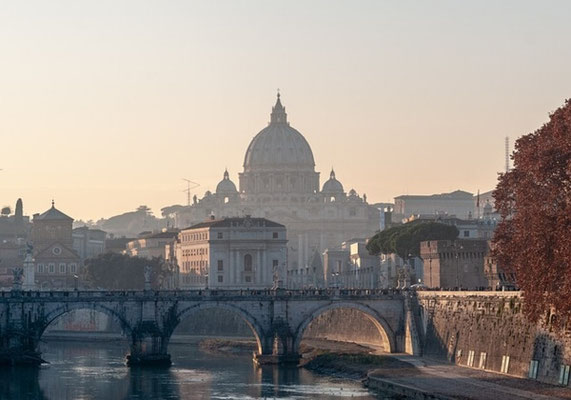
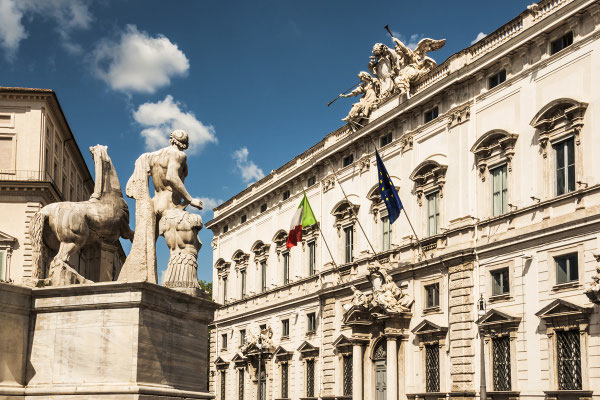

Throughout the day, the city will offer free entry to civic museums within the Roma Culture system and archaeological sites under the city's jurisdiction. This includes Trajan's Market, the Museum of the Imperial Fora, the archaeological area of the Circus Maximus, the Capitoline Museums complex, and the Villa Torlonia museums.
The Birth of Rome, commemorates the city's origins. While there isn't a specific dish associated with the modern celebration, traditional Roman cuisine offers many iconic dishes often enjoyed during this time. Here are some typical foods served during the Birth of Rome celebrations:
- Appetisers: Typical cured meats from Lazio.
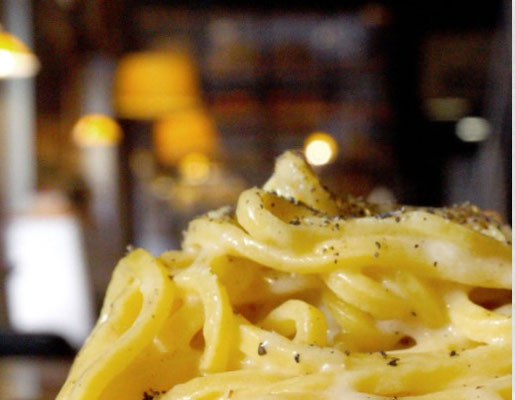
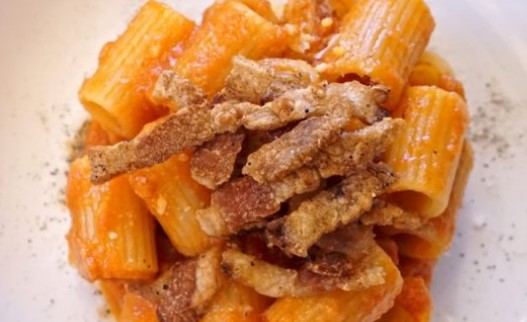
- First Courses: Classic Roman dishes such as Carbonara, Amatriciana, Cacio e Pepe, or Gricia.
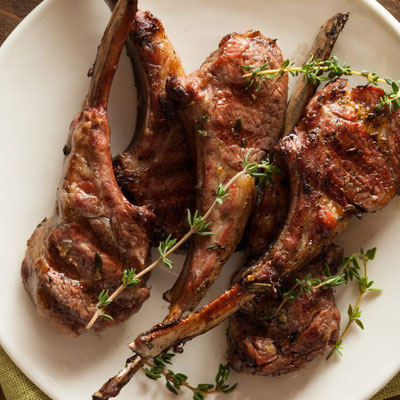
- Second Courses: Meat dishes like lamb or oxtail stew.
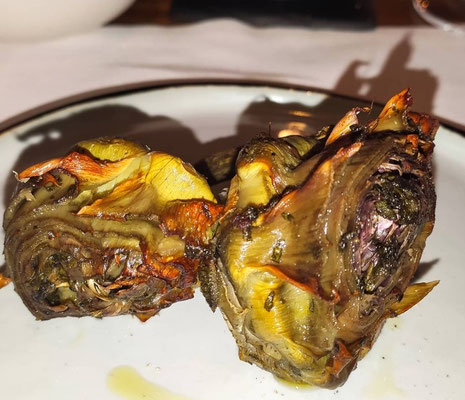
- Side Dishes: Artichokes, prepared either Roman-style or Jewish-style.


Write a comment