
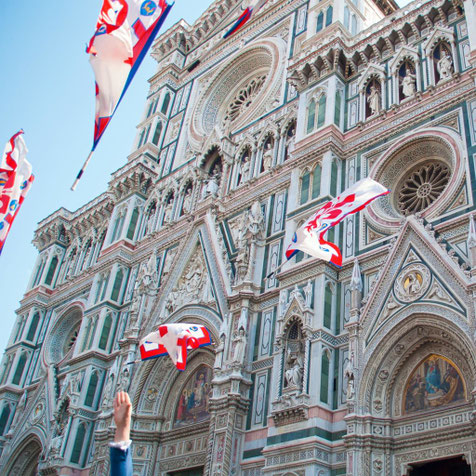
The Florentine New Year (Capodanno Fiorentino) is celebrated on March 25th, marking the historical start of the year on the Feast of the Annunciation. Until 1750, Florence recognized this date as the beginning of the civil year, which is nine months before Christmas. Today, it is celebrated with parades and religious ceremonies. Both Pisa and Florence celebrate New Year's Eve twice a year: on January 1st and March 25th. This tradition comes from the "calendario pisano," which was used until the mid-18th century and designated March 25 as the start of the year. Although the old calendar was abolished in 1749 by Grand Duke Francis I, both cities still embrace their traditional celebrations.


Historical Significance: March 25th was historically recognised by both the Church and Florence as the start of the year, symbolising the Incarnation of Jesus. Florence continued this tradition for 168 years after the introduction of the Gregorian calendar in 1582, only switching to January 1st in 1750. The Parade: A historical procession featuring Renaissance costumes travels from the Palagio di Parte Guelfa to the Basilica della Santissima Annunziata.
The Ceremony: A solemn Mass is held at the Basilica della Santissima Annunziata, beautifully decorated for the occasion. Location: The celebration occurs in the heart of Florence, particularly around Piazza della Signoria and Piazza Santissima Annunziata. A commemorative plaque regarding the calendar change can be found near the Loggia dei Lanzi.
The city boasts a wide selection of restaurants offering à la carte or themed menus. Here's what is typically eaten in Florence for New Year's Eve, celebrated on March 25th:
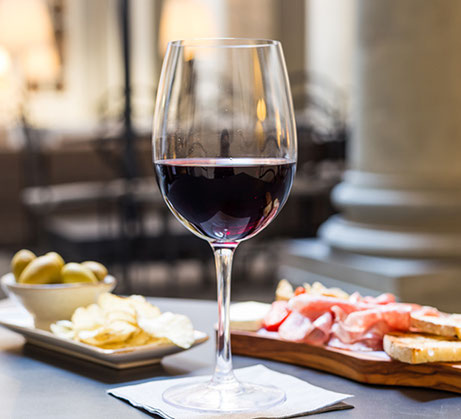
Tuscan Crostini: A traditional appetizer featuring chicken livers. Platters of Local Cured Meats: Including Finocchiona, Tuscan salami, wild boar ham, and Cinta Senese loin. Tuscan Cheeses: A variety of aged Tuscan pecorino cheeses. Seasonal First Courses: Fresh pasta dishes such as pici or pappardelle, often topped with meat ragù or seasonal sauces. Restaurants such as Ristorante Grotto Guelfo or Ristorante Braceria 'all 11 offer themed Capodanno Menus.

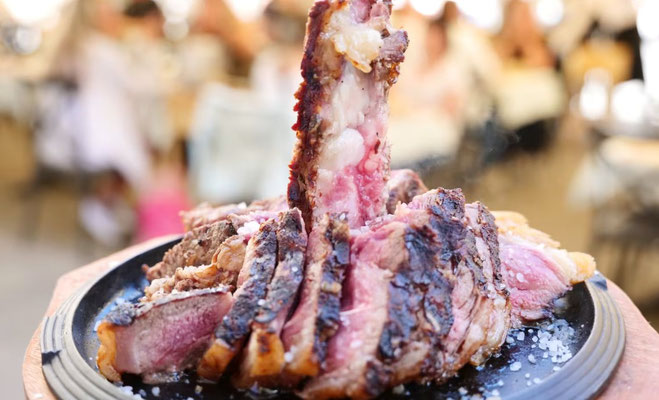
Festivities will begin on March 21 with a tribute to Carlo Collodi, the author of *Pinocchio*, marking the 200th anniversary of his birth. Piazza Santa Croce will be transformed into a large-scale outdoor artwork dedicated to one of Italy’s most beloved literary figures. On March 24, restaurants across the city will host the Cenone del Capodanno Fiorentino, featuring menus inspired by traditional cuisine to celebrate Florence's rich gastronomic identity.
The following day, March 25, will mark the highlight of the celebrations with the Corteo Storico della Repubblica Fiorentina, a historic procession through the city streets leading to the Basilica della Santissima Annunziata. This event honours the Virgin Mary on the day of the Annunciation. The week also includes the Premio Fiorenza on March 26, which recognises individuals and organisations that have made significant contributions to the community, particularly showcasing Florence’s artisan excellence. In addition, residents and visitors can participate in the Quiz del Fiorentino to test their knowledge of the city's history and traditions. Ten winners will be invited to Palazzo Vecchio for a special recognition ceremony.
Write a comment