
Cortina d'Ampezzo
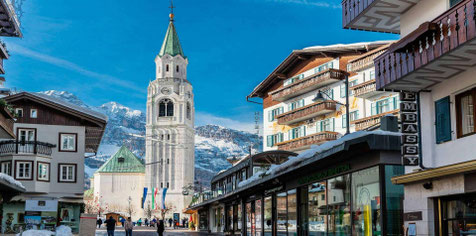
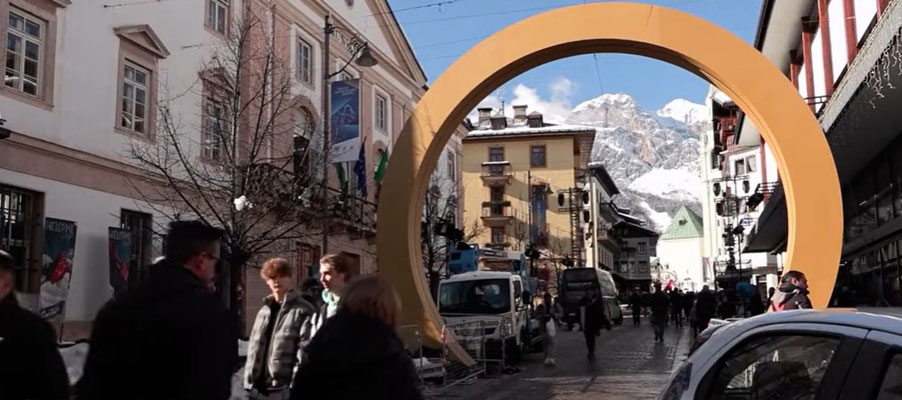
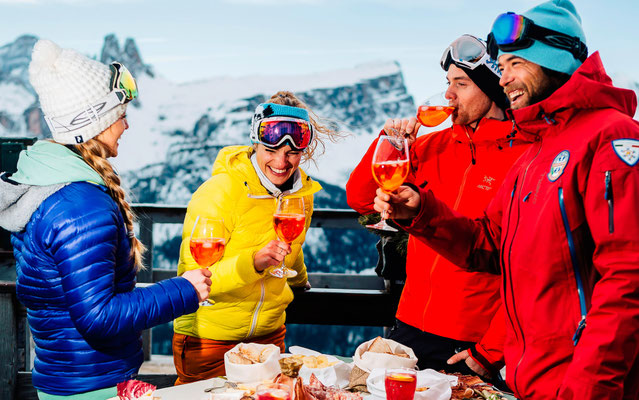
Cortina d’Ampezzo is a ski resort located in northern Italy, part of the larger Dolomiti Superski area. This region includes the Falzarego Pass, which offers a variety of downhill runs. Cortina has been a popular destination since hosting its first Winter Olympics in 1956. As Cortina d’Ampezzo hosts the first events of the Winter Olympics, the Dolomites have become increasingly popular. Visitors can enjoy a variety of activities, including skiing, hiking, biking, climbing via ferrata, indulging in delicious Alpine-Italian cuisine, or relaxing in an indoor-outdoor pool while watching the sun cast a pink glow on the breathtaking white rock formations. Fans of the Bond franchise will recognise it from the 1981 film *For Your Eyes Only*, featuring a Bogner-clad Roger Moore skiing down the Olympic bobsleigh run. Nestled along the Boite River in an alpine valley, Cortina is renowned for its skiing trails, stunning scenery, luxury accommodations, boutique shops, and vibrant après-ski scene. During the winter season, the town's population can surge from about 7,000 residents to 40,000, making tourism a crucial part of the local economy. Lonely Planet described Cortina d’Ampezzo in 2009 as "one of Italy's most famous, fashionable, and expensive ski resorts," noting its first-class facilities for skiing, skating, sledding, climbing, and exceptional hiking opportunities.
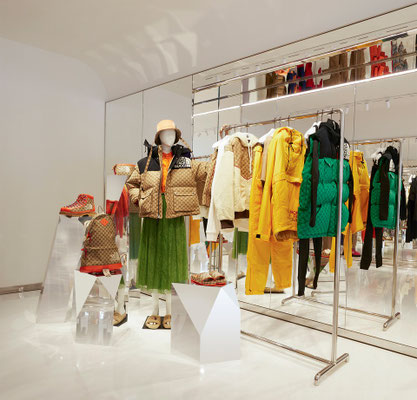
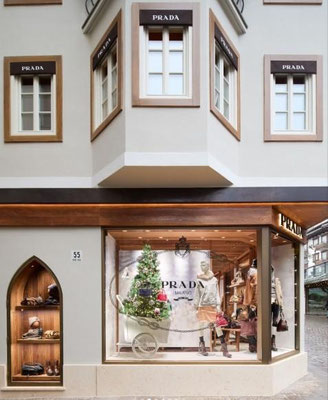
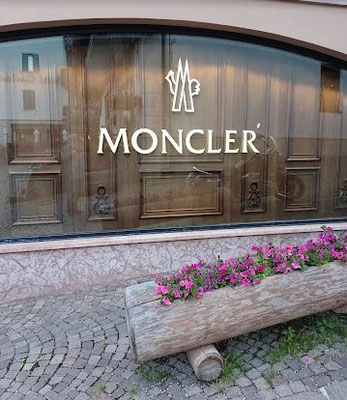
Cortina is home to prestigious fashion brands like Bulgari, Benetton, Gucci, and Geox, as well as a variety of artisan shops, antique stores, and craft boutiques. The shopping scene is exemplified by La Cooperativa di Cortina, established in June 1893 as the Consumverein Ampezzo. This shopping centre spans three levels and offers a range of products, including confectionery, newspapers, toys, and skiing equipment.
The neighbouring province of South Tyrol has rapidly expanded its luxury accommodations, prompting discussions about capping hotel beds in 2024. The Como Group recently transformed an existing hotel into the 60-room Como Alpina Dolomites, and last July, the Aman collection relaunched a family hotel in Alta Badia as the 51-room Aman Rosa Alpina. Next year, the historic Hotel Cristallo will reopen as the Mandarin Oriental Cristallo. Alongside these international hotels, smaller, locally owned options are emerging.

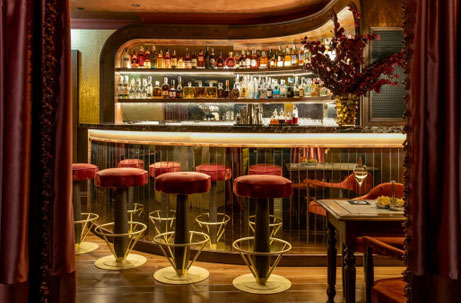
The Ancora Cortina, established in 1826 and owned by fashion mogul Renzo Rosso, has been revamped and is now managed by Egnazia. Renzo Rosso, himself originating from nearby Brugine, ensures the hotel reflects its local character with a traditional façade, black-and-white photographs, and a warm colour scheme of gold, white, and chocolate brown. The hotel features 35 rooms, a substantial spa with a cryotherapy chamber, a fine-dining restaurant, and an appealing basement club. With interiors by designer Vicky Charles, the hotel's Terrazzo Viennese has become the spot to see and be seen while enjoying views of women's skiing on the Olympia delle Tofane slope.

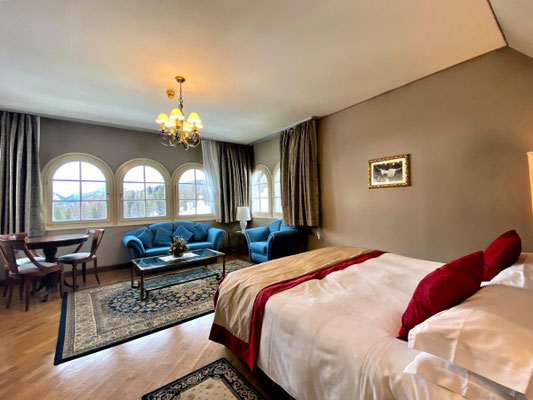
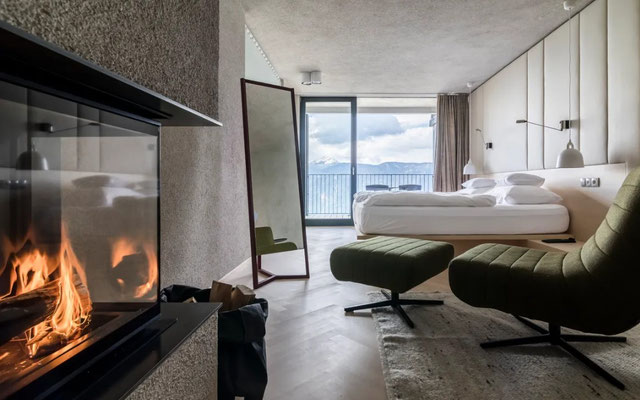
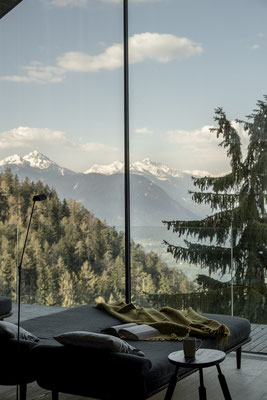
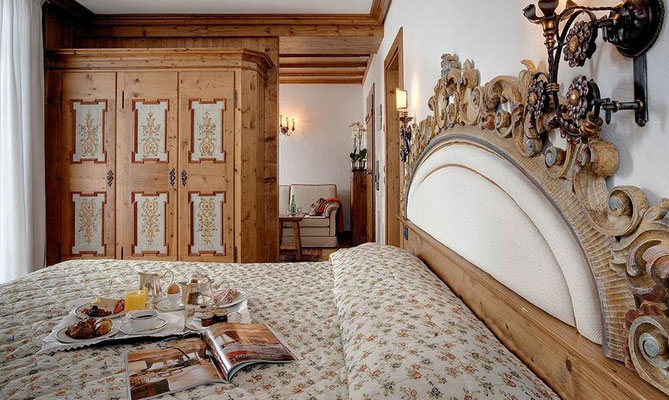
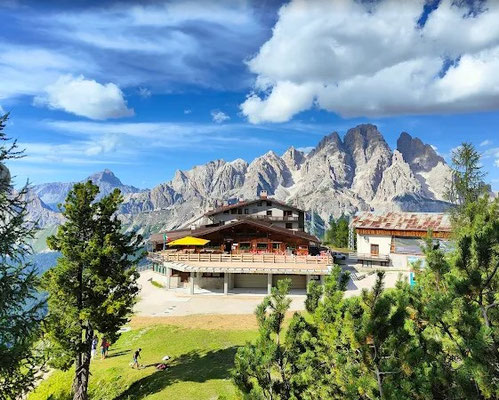
The Miramonti Majestic Grand Hotel, a five-star establishment featured in a James Bond film, has been welcoming guests for over a century. Originally an Austro-Hungarian hunting lodge, it now offers 105 rooms. Nearby, the modern boutique Miramonti hotel has 44 rooms and features a panoramic restaurant, an exceptional spa, and solar-powered units designed by Harry Thaler, each with a private hot tub. Other notable hotels include Hotel Cornelio, Hotel Montana, Hotel Cortina, Hotel Villa Gaiai, and Grand Hotel Savoia. Mountain hostels like Rifugio Faloria and Rifugio Son Forca are also available. For a private retreat, the White Deer in San Lorenzo di Sebato offers a 16th-century lodge accommodating six adults and four children, complete with hot tubs, a sauna, and a golf course. The Berghoferin Fine Hotel & Hideaway, a charming 13-suite hotel near Bolzano, combines sophistication with cozy amenities. With its beautiful views and libraries, it provides a peaceful escape for guests. Cortina d'Ampezzo is also rich in architectural beauty, blending Tyrolean and Italian design, making it a great source of inspiration.

Livigno
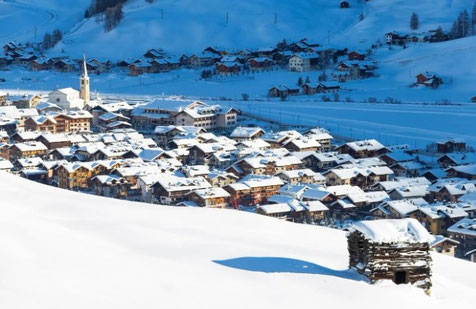
Livigno will host the snowboard and freestyle competitions during the Olympic Winter Games Milano Cortina 2026, with a total of 26 medals to be awarded across all disciplines. Located in the Italian Alps near the Swiss border, Livigno is a high-altitude, duty-free ski resort known for its reliable snow, extensive 115 kilometres of slopes, and vibrant nightlife. Often referred to as "Little Tibet," Livigno is a premier destination for skiing, snowboarding, and freestyle events and is a key host for the 2026 Winter Olympics. Livigno offers a unique experience, as the resort features 115 kilometres of ski slopes, 30 kilometres of cross-country tracks, 3,200 kilometres of bike trails, and 1,500 kilometres of trekking routes. In addition to outdoor activities, visitors can enjoy shopping along the Shopping Mile and savour gourmet experiences at high altitudes. Characterised by sport, nature, energy, and activities that evolve with the seasons, Livigno invites you to immerse yourself in its vibrant rhythm, which remains active year-round.
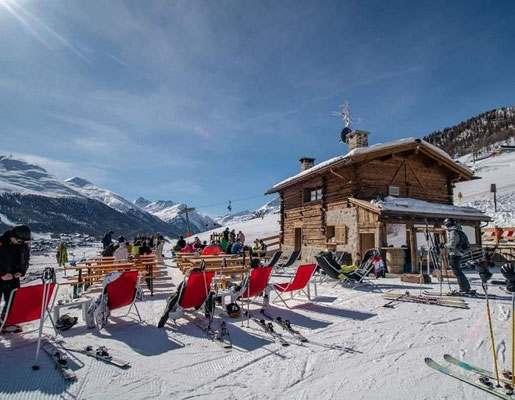
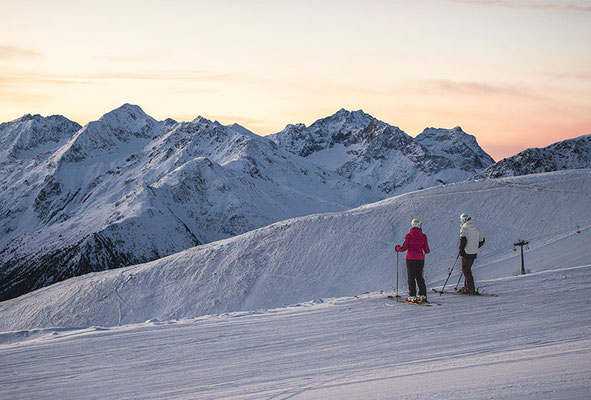
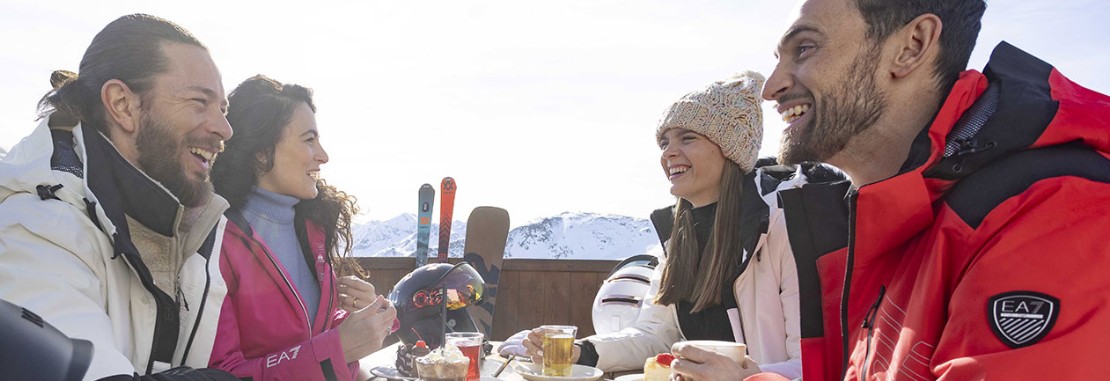
Key Features and Activities include Skiing & Snowboarding; where you can experience the thrill with altitudes ranging from 1,800 to 2,900 meters. The skiing season lasts from November to May on the Carosello 3000 and Mottolino Fun Mountain slopes. It also offers one of Europe's top snow parks, perfect for freestyle skiing and snowboarding enthusiasts. But there are also many non-ski activities on offer, such as the Aquagranda wellness centre, snowshoeing, fat biking, ice skating, and 30 kilometres of cross-country trails. And of course, Duty-Free Shopping with over 250 shops in the town centre offering tax-free goods. It offers delightful South Tyrolean cuisine at numerous traditional restaurants and a vibrant après-ski scene.

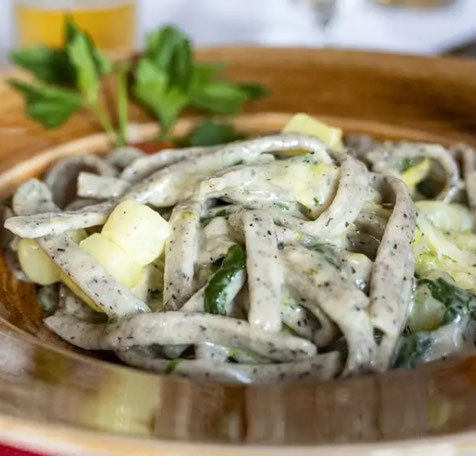
The local products of Alta Valtellina include some of the finest Italian food and wine. Regional specialties such as Pizzoccheri and bresaola are must-try dishes at every restaurant in Livigno, but there is so much more to explore. Each restaurant stays true to the natural quality of its ingredients and traditional recipes while adding its own interpretation. This culinary culture has evolved over the years, inspired by Mattias Peri, the first chef from Livigno and Valtellina to earn a Michelin Star in 2009. He aims to reinterpret local cuisine from a gourmet perspective, blending the goodness of tradition with the beauty of innovation.
Bormio
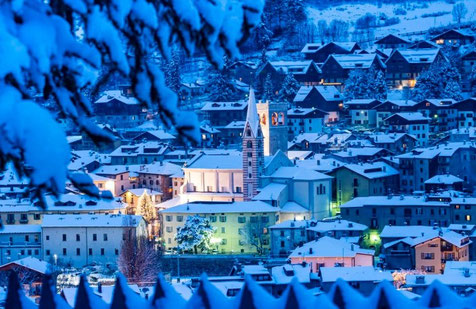
Further west, Bormio, in the Alta Valtellina, is ready to welcome athletes, with hotels conveniently located near the Alpine skiing venues. This strategy allows the resort to maximise its existing infrastructure while keeping athletes close to their competition sites. In Bormio, you will find a unique blend of attractions, including a national park, iconic mountain passes, thermal hot springs, a historic old town, summer skiing, and world-class winter ski slopes featuring a vertical drop of 1,800 meters—all in one location. Explore the entire region, including Bormio, Valfurva, Valdidentro, Valdisotto, and Sondalo, and create lasting memories. Beyond its extraordinary natural beauty, the Bormio area boasts a rich history, distinctive culture, and thriving traditions. You can admire medieval churches and frescoes in local villages, enjoy a relaxing spa day at the historic Bagni Vecchi or Bagni Nuovi in Valdidentro, or visit Bormio's Civic Museum to learn intriguing facts about the Stelvio Pass.

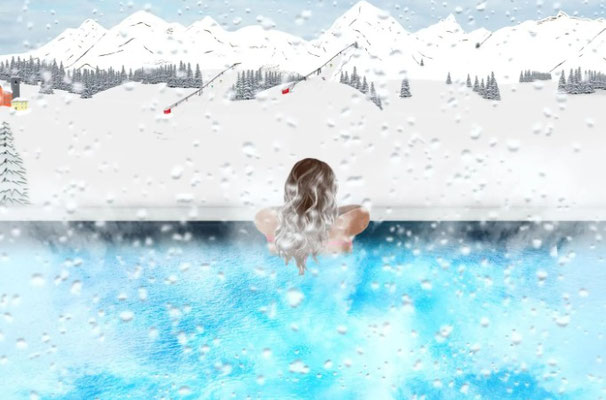
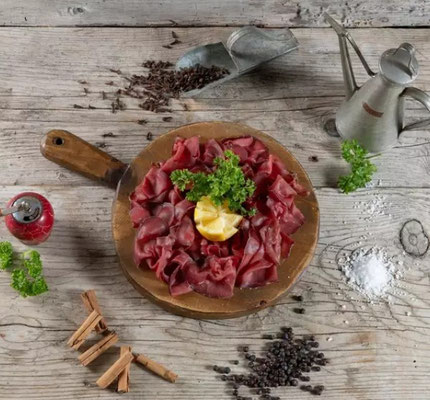
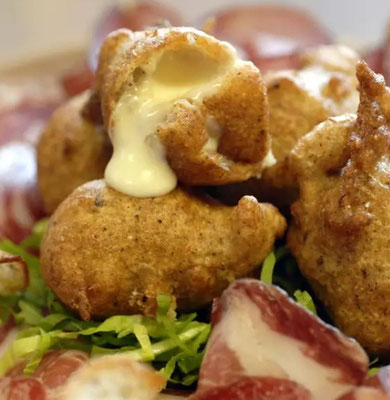
Take breaks between activities at a mountain refuge or a local restaurant and try some regional specialties like pizzoccheri or polenta taragna, paired with a glass of Amaro Braulio or red wine from Valtellina. Pizzoccheri della Valtellina is a hearty pasta dish made from buckwheat tagliatelle, potatoes, cabbage, Valtellina Casera cheese, garlic, and melted butter. Polenta taragna is made with water, cornmeal, buckwheat meal, fresh butter, Valtellina Casera cheese (PDO), and salt. From sciatt to Braulio, the local specialties are sure to delight anyone’s taste buds. Sciatt are fritters made with local cheese, deep-fried in a buckwheat batter. These tasty morsels are usually served on a bed of salad as an antipasto. Discover the authentic flavours of cheese from mountain pastures and the rich taste of bresaola della Valtellina. Bresaola della Valtellina PGI, made from the finest cuts of beef, is air-dried and aged; it pairs wonderfully with a glass of local red wine, making an excellent aperitivo—perfect after a day of hiking in Bormio.


If you prefer something healthier, a filling barley soup is just what you need after a day of skiing in Bormio. This rustic dish evokes memories of a slower-paced life. Indulge your sweet tooth with a slice of bisciola. Bisciola della Valtellina is a delicious fruitcake that’s perfect for a mid-afternoon snack. Also, don’t miss out on Cornat, a focaccia with a Valtellinese twist. This bread, originating from Sondalo in Alta Valtellina, can be sweet or savoury and filled with local ingredients such as potatoes, cheese, vegetables, or apples. For an after-dinner drink, try Braulio or Taneda. Amaro Braulio is a renowned after-dinner liqueur made in Bormio, and its recipe has been a closely guarded secret since 1875. You can even visit the cellars where it is produced beneath Bormio's old town. Another popular local digestif is Taneda, made from flowers that grow on the mountainside.
Anterselva - Antholz Valley
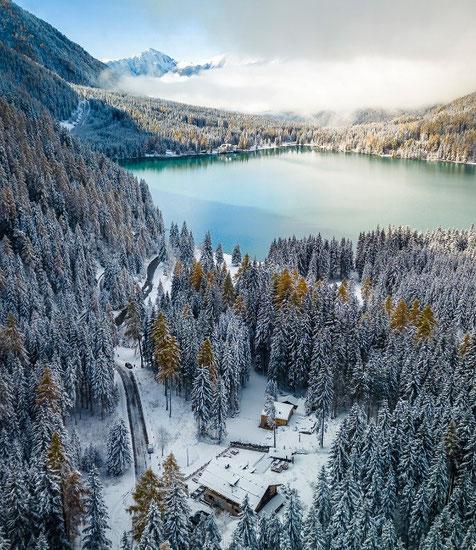
In Anterselva, a biathlon destination, athletes will stay at existing hotels. After the Games, these accommodations will return to serving regular tourists, reflecting the principle of adaptation and reuse that characterises Milano Cortina 2026.In the Antholz Valley, you’ll discover impressive peaks, lush alpine pastures, and dark green spruce, Swiss pine forests, and rustic mountain huts. Nestled within the stunning mountain range of Rieserferner, which includes 38 peaks over 3,000 meters, you’ll encounter enchanting water landscapes. In the Blue Valley, waters freeze on icy glaciers, flow through rocks and valleys, rush down roaring waterfalls, meander along riverbeds, and settle in picturesque mountain lakes. This is the remarkable beauty of the Rieserferner-Ahrn Nature Park! The valley extends into a charming side valley of the Pustertal Valley, located east of Bruneck/Brunico, reaching all the way up to the Staller Saddle mountain pass at the Austrian border.
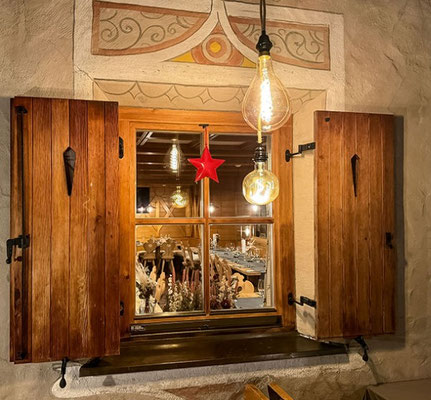
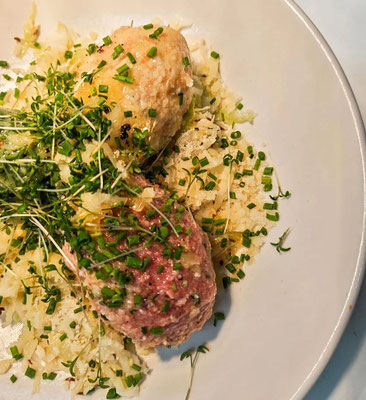
Six towns provide the ideal starting point for activities in one of the most unspoiled areas of South Tyrol. There are many activities on offer. Whether it’s hiking and mountaineering, strolling, biking, and swimming in the lake during the summer, or skiing, biathlon, cross-country skiing, and winter hiking in the snowy fairytale landscape during winter, enjoy the unique nature and explore its most hidden corners. For dining, Antholz offers a variety of charming family-owned restaurants serving traditional South Tyrolean cuisine. One notable spot is the Brunnerhof, located in the heart of Antholz, which is nestled in the picturesque Puster Valley. This restaurant offers a cozy dining experience where you can enjoy a trio of beetroot, spinach, and cheese dumplings, homemade Schlutzkrapfen, or handmade "Schüttelbrot" ribbon noodles. For the main course, you can choose from classic dishes like deer goulash with dumplings and red cabbage or a Viennese-style schnitzel.
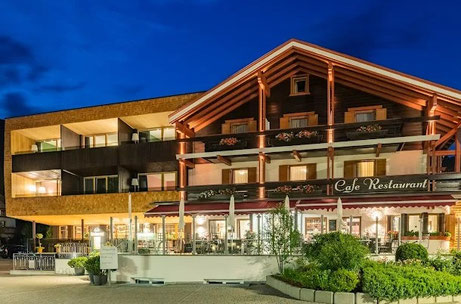
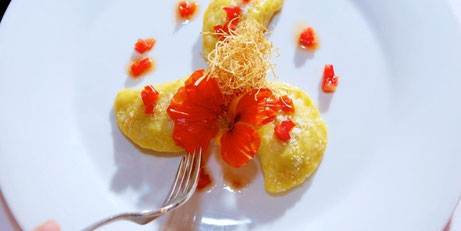

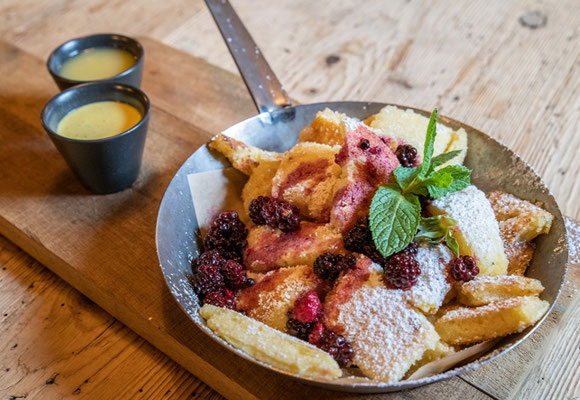
At Lake Antholz, you'll find the Enzianhütte, also known as Baita Gaizana, which offers stunning views of the lake and the surrounding nature, providing an atmosphere of tranquillity and fresh air. The Baita Gaizana features both accommodation and a restaurant that serves local specialties, including marinated trout as an entrée, followed by a trio of canederli. For the main course, you can enjoy Spanferkel (porchetta) or schnitzel, and don't forget to save room for fabulous desserts like Kaiserschmarrn.
Predazzo

Predazzo, in the Val di Fiemme region, is undergoing renovations to convert an existing facility into a venue for athletes and officials, including competitors in Tesero events. This renovation aims to incorporate modern upgrades while preserving the town's character and heritage. Predazzo is a village and commune in the province of Trento, northern Italy, situated approximately 58 kilometres northeast of the city of Trento. It serves as one of the primary centres of Val di Fiemme and is the most populous and expansive area in the valley. Renowned for having one of the highest concentrations of geological varieties in the world, Predazzo is also a popular tourist destination.
The historic centre features a charming array of traditional wooden and masonry buildings. Predazzo is known as the heart of sports in Val di Fiemme, boasting a rich history in Nordic skiing.
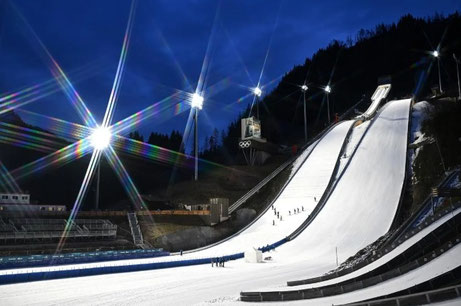
With over 40 years of ski jumping experience, the town has hosted the Nordic World Ski Championships and has a long tradition of World Cup races. The Ski Jumping Stadium is a symbol of this vibrant municipality, which has long been closely linked to sports. In addition to being the entrance to the Paneveggio-Pale di San Martino Nature Park—home to remarkable biodiversity and world-famous Norway spruce trees still used today to create musical instruments—Predazzo is an essential gateway to the nearby Val di Fassa. It also provides easy access from the valley to the slopes and activities at the renowned Ski Centre Latemar.
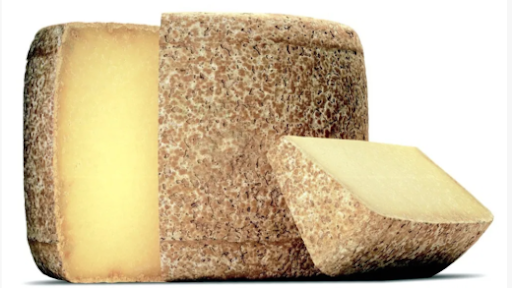
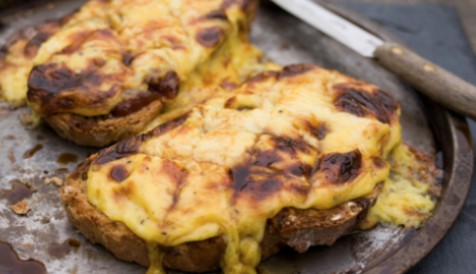
Predazzo is also well known for its cheeses such as the Lingotto and the Gradevole. Lingotto di Predazzo, a traditional cheese made from the milk of hay-fed cows. This cheese is especially delicious when melted or grilled. The local cuisine also features a variety of cured meats, including speck, as well as high-mountain honey and traditional pasta, all enriched by the Dolomites' culinary traditions. Gradevole di Predazzo is a typical cheese from the Fiemme Valley, made with pasteurised cow's milk from the province of Trento. Some traditional variations may, however, contain a small percentage of goat's milk, which enhances its richer character.
Write a comment