

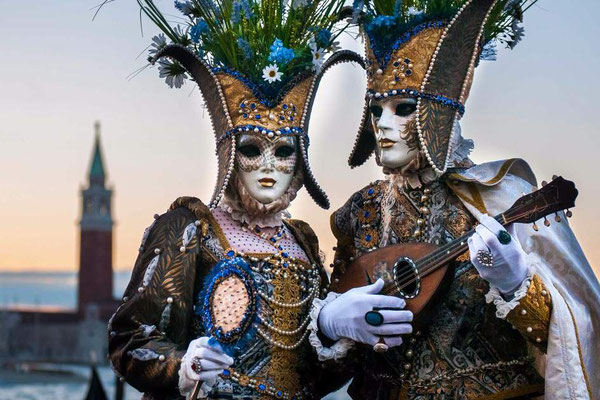
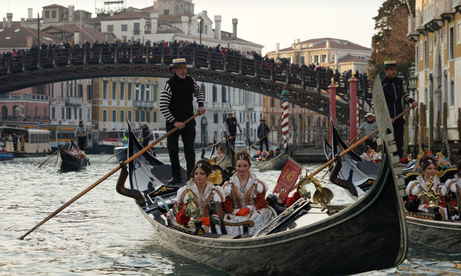
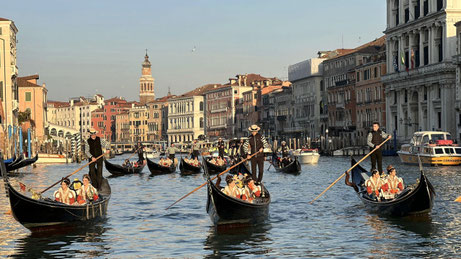
The Venice Carnival is one of the most fascinating and renowned events in the world. Each year, from January to February, the lagoon city transforms into a grand open-air stage filled with elegant masks, historical costumes, water shows, and centuries-old traditions. Strolling through the streets and squares during Carnival immerses visitors in a timeless atmosphere, enhanced by the unique beauty of Venice and its historic centre. The 2026 edition will take place from January 31 to February 17 and is themed “Olympus - The Origins of the Game” in honour of the Milan-Cortina 2026 Olympics. Mayor Luigi Brugnaro stated that the city aims to honour the Olympic spirit and showcase entertainment traditions that have long excited Venetians. The Carnival calendar will showcase water processions, allegorical floats, masked balls, and evening parades in the historic centre. Highlights include "Echoes of Olympia" at the Darsena Grande and a masked rowers' procession on February 1.

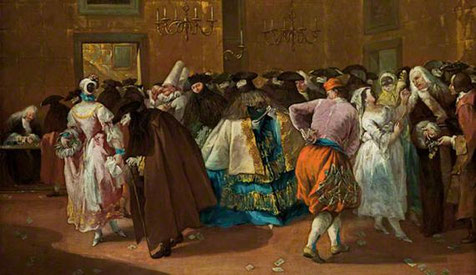
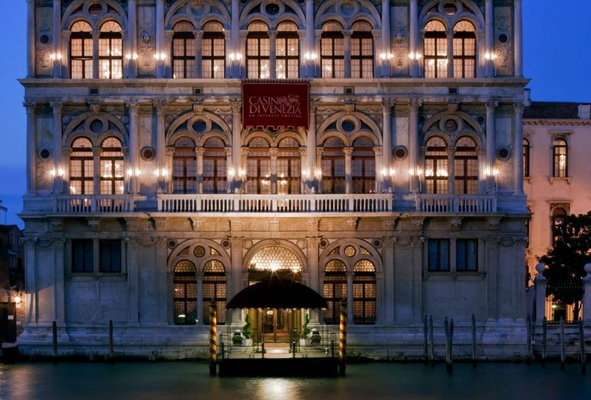
The "Festa delle Marie" on February 22 will crown one of the traditional "Marias" in St. Mark’s Square, blending folklore and civic tradition. The theme “Olympus – The Origins of the Game” reflects mythology and the spirit of competition seen in Venice’s past. It showcases the city’s talent for turning challenges into celebrations, with events inspired by Hercules and various traditional competitions. The 2026 Carnival poster features Gabriel Bella's “La Festa del Giovedì Grasso in Piazzetta,” on display at the Fondazione Querini Stampalia. Artistic director Massimo Checchetto emphasizes that “Olympus” fosters a dialogue between gods and humans, encouraging individuals to transcend their limitations. Venice, with its rich traditions, will unite art, sport, myth, and imagination in a vibrant celebration. Parades with allegorical floats will link the historic district to the mainland, while events like the Commedia dell'Arte exhibition, the Official Ball at Ca' Vendramin Calergi, and the Carnevali del Mondo party in St. Mark's Square will enrich the celebrations. A highlight will be the spectacular water show at the Arsenale, featuring dance, music, and light, inspired by the ancient Olympic Games.
The origins of the Venice Carnival are ancient, with the first written record dating back to 1094 in an edict by Doge Vitale Falier. In 1296, the Senate of the Republic officially declared it a public holiday. Carnival was seen as a time of freedom where social norms could be overturned, allowing individuals to shed their identities using masks. Wearing a mask meant that anyone could become whoever they wanted to be, regardless of class, gender, or origin. During the 18th century, Carnival reached its peak, gaining fame throughout Europe, partly due to iconic figures like Giacomo Casanova. Originally, Carnival festivities began on December 26, though some celebrations started as early as October, and they lasted until the day before Lent. Today, however, events and celebrations are mainly concentrated in the two weeks leading up to Ash Wednesday.
The event features a packed calendar of official activities. The heart of Carnival beats most vibrantly at the masked balls held in the ancient palaces of Venice. Here, velvet drapes, stucco decorations, and candlelight recreate the grandeur of 18th-century celebrations. Attending one of these evenings transports you to a world filled with period costumes, live music, and cherished traditions. Among the most sought-after events are Ballo del Doge – The iconic centrepiece of the Venetian Carnival, famous for its breathtaking setting and international flair. Historic palace balls – Exclusive evenings that blend dance, performances, and gourmet cuisine, perfectly suited for couples looking for an unforgettable night.



A number of Hotels in Venice have special experiences curated for visiting Carnival goers. Whether the Hotel Saturnia & International , Russo Palazzo Hotel or
Write a comment