
The 2026 Milan Cortina Olympics promises a delightful experience, highlighting Italy's culinary excellence. Athletes and their families will enjoy Italian-style meals, alongside innovative initiatives to enhance the events. Here are a few ideas to prepare your taste buds.
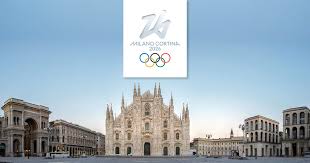

Exciting news! Six former cable cars from Livigno's ski resorts are being transformed into Olympic cafés by Caffè Vergnano, which will open on February 6th. These cafés will serve as refreshment spots and showcase the event's official coffee. The first one has debuted in Turin near the Gran Madre church, with plans for more in Milan, Cortina, and Bormio. The company emphasises the creative and sustainable repurpose of these historic objects into inviting coffee spaces! The offerings include espresso, cappuccino, and hot chocolate. While there are only a few options, they exemplify the highest quality and simplicity. The coffee blend will consist of 85% Arabica and 15% Robusta, packaged in 100% recycled PET.
Olympic Pastilles: Leone 1857 is once again showcasing its pastilles, following its success at the 2006 Turin Winter Olympics. Pastiglie Leone is a historic Italian confectionery brand known for its small, intensely flavoured pastilles (candies). These candies are often packaged in distinctive Art Nouveau-style tins or paper boxes. Recently, special editions have been created for the Milan Cortina 2026 Winter Olympics, featuring the mascots Tina and Milo. These gluten-free and vegan sweets are made from natural ingredients, including essential oils and fruit juices, and come in a variety of flavours ranging from classic violet and lemon to modern citrus blends. The brand's recipes trace back to the 1850s. This collection includes refreshing mixed pastilles with exclusive game-inspired designs, along with Cri Cri dark hazelnut pralines, which celebrate the Winter Olympics with a sugary "snow" coating.
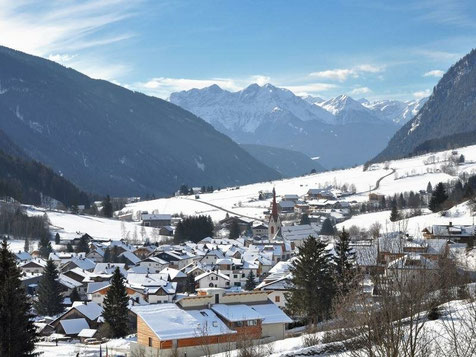
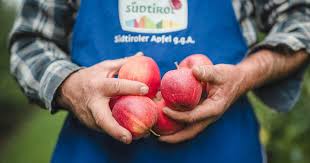
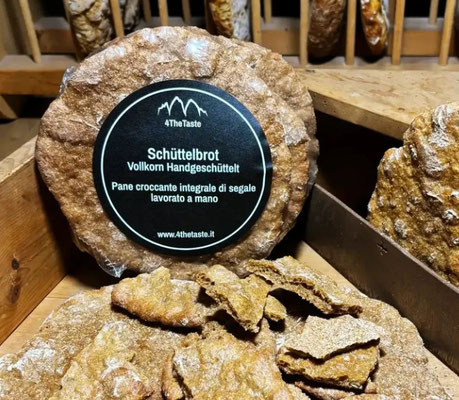
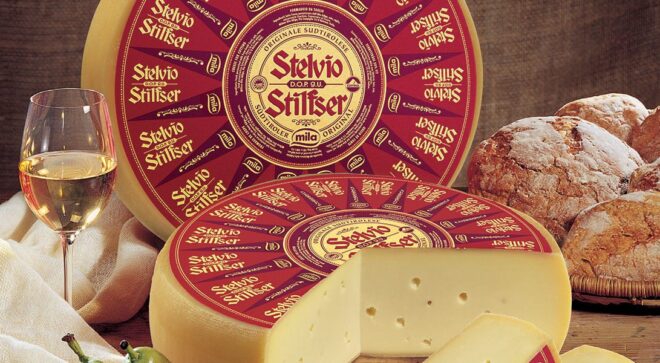
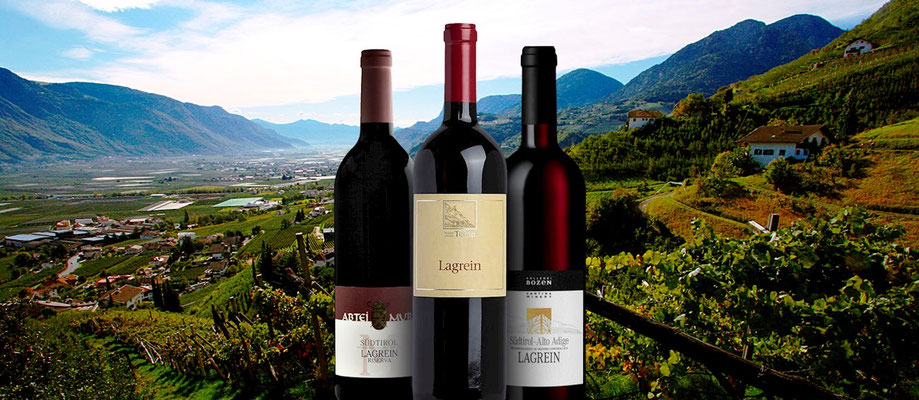
Anterselva, South Tyrol, will host the Winter Olympics for the first time from February 8th to 21st. During this event, five distinguished PGI, PDO, and DOC-certified products from the region will be celebrated:
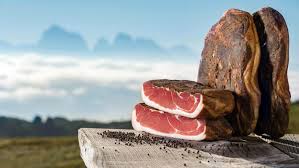
Speck - Tyrolean Speck, also known as Speck Alto Adige, is a traditional cured and lightly smoked pork product. It is renowned for its distinctive aroma, which comes from a blend of salt, pepper, and mountain herbs such as juniper and rosemary. This unique product combines Mediterranean air-drying techniques with Northern European smoking methods, resulting in a savoury and nutty flavour. Tyrolean Speck is often served thinly sliced alongside cheese, bread, and pickles. Apples - home to 17 of the 30 PGI varieties. Schüttelbrot - a traditional round rye bread. Stelvio cheese, also known as Stilfser, is a semi-hard cheese from South Tyrol, Italy, that has received PDO (Protected Designation of Origin) certification. It is recognised for its unique spicy and aromatic flavour, creamy texture, and yellowish-orange rind. Made from fresh Alpine milk, Stelvio cheese is aged on wooden boards to enhance its quality. And Wines: including native varieties like Lagrein and Schiava. These products are the "champion athletes of taste," reflecting the same dedication and tradition that inspire the Olympic spirit.
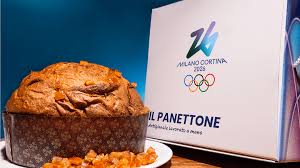
The Olympic holiday desserts have arrived, showcasing delights from Panificio Marchesi in Bergamo, owned by master pastry chef Silvano Marchesi. He has signed a licensing agreement with the Milano Cortina 2026 Foundation, making him the official licensee of the Winter Olympics. They produce not only the Olympic Panettone, which comes in exclusive packaging that reflects the spirit of the Games, but also the Colomba and Veneziana cakes.
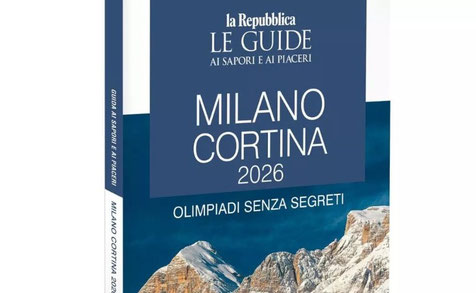
Cortina d'Ampezzo is once again at the heart of the Olympics, combining thrilling skiing with exceptional dining experiences. The new Repubblica Guide "Milan Cortina 2026 – Olympics without secrets" by Giuseppe Cerasa offers insights into the key Winter Olympic locations, spanning from Milan to Cortina and beyond, including Livigno, Bormio, and Verona. In Cortina, skiing merges with haute cuisine at two-star restaurants Tivoli and SanBrite, where local ingredients and contemporary techniques create unforgettable dining moments. Milan also shines as a culinary capital, featuring top chefs like Enrico Bartolini at Mudec and other two-star chefs such as Andrea Aprea and Antonio Guida. The city boasts a rich array of restaurants, from Cracco in the Galleria to new additions like Abba and Procaccini, reflecting its dynamic culinary scene. The guide is available in newsstands, bookstores, and online at: https://repubblicabookshop.it/guide.
Write a comment