

According to Italian tradition, La Befana is a folklore figure who brings presents to all good children during the night between January 5 and 6. Most modern representations of Befana, seen in storybooks and as popular dolls, depict her as an elderly woman wrapped in a dark shawl, wearing a kerchief on her head, and carrying or riding a broom. A popular song about Befana describes her as being dressed “in the Roman custom” (col vestito alla romana). Italians believe that Befana is still searching for the baby Jesus, and on her quest, she leaves treats such as toys, candy, or fruit for well-behaved children. Naughty children, on the other hand, might receive chunks of coal, onions, garlic, or even a straw from her broom instead of presents. As a result, parents often use La Befana as leverage with their children, especially in the weeks leading up to Christmas and Epiphany.
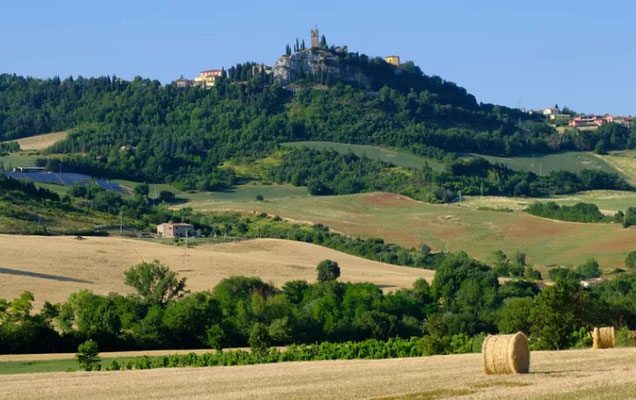
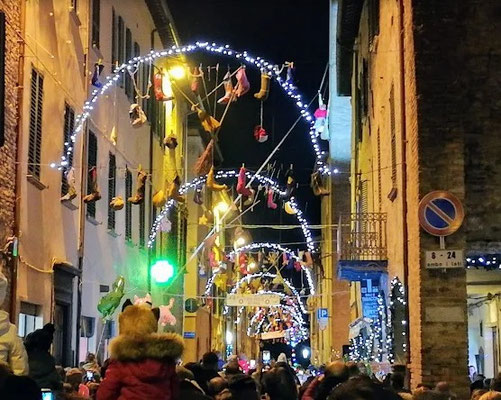
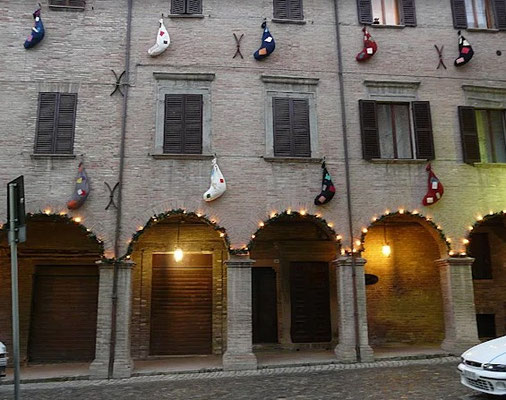

Throughout Italy, children eagerly await La Befana's arrival, and cities hold celebrations in her honour. The largest La Befana festival takes place in Urbania, her traditional home. Every year on January 5, the residents of Urbania host a massive celebration that attracts between 30,000 and 50,000 visitors. Activities include dancing, juggling, singing in the streets, and appearances by hundreds of Befanas, who begin their Epiphany gift-giving journeys by handing out sweets to children at the festival. The town transforms into the Befana Village. At the heart of the village, you will find not only the Post Office and the Befana House but also the Bistrot della Befana. This bistro offers traditional dishes and products from the Marche region. Enjoy specialties such as Acqualagna truffles, Marchigiana meat, peaches from Montelabbate, local wines and beers, and the ever-popular Crostolo di Urbania. The village comes alive with magical soap bubbles, jugglers, and captivating street performances featuring stilt walkers, unicyclists over two meters tall, clowns, and enchanting white ladies, all designed to delight visitors.

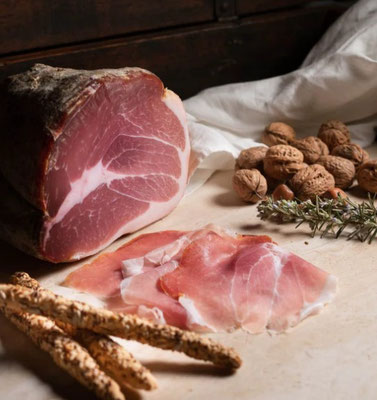
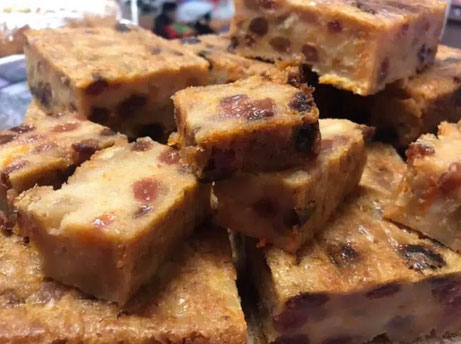
Dolci per la Befana - Sweet Surprises
Pinza della Befana, the Venetian recipe
Epiphany also has its traditional sweets! Discover how to make the original recipe for Pinza della Befana, a typical Venetian dessert.
Ingredients:
300g corn flour; 200g butter, plus a little more.
200g 00 flour; 200g sugar; 50g raisins; 50g candied citron; 20g candied pumpkin; 10 dried figs; 1 apple; grappa or anise liqueur; anise seeds;
baking powder; salt
Preparation:
Soak the raisins in grappa or another liqueur. In a saucepan, combine the two flours with 1 teaspoon of sifted yeast, sugar, and a pinch of salt. In a separate saucepan, bring 2 liters of water to boil. Gradually add most of this boiling water to the flour mixture, cooking the polenta for about 20 minutes while stirring constantly to prevent lumps from forming. Once the polenta is cooked, remove it from the heat and stir in the butter, soaked raisins, a small glass of the liqueur used for soaking, a pinch of anise seeds, chopped citron, pumpkin, figs, and peeled apple. Return the mixture to the heat and cook for another 20 minutes, stirring constantly. Next, pour the polenta into a buttered 24 x 28 cm baking pan lined with parchment paper. Level the surface with a wet spoon and bake in a preheated oven at 200°C (approximately 400°F) for 30 minutes, or until the crust turns golden brown. Allow the pinza to cool before cutting it into squares and serving.

Tagliatelle with Black Summer Truffle

Ingredients (for 2 servings)
250g fresh tagliatelle pasta; 30g - 40g fresh black summer truffle; 40g - 50g unsalted butter; 1 clove garlic (optional); 50g Parmigiano Reggiano or Grana Padano cheese, freshly grated, plus extra for serving; Extra virgin olive oil (optional, a small splash); Salt and freshly ground black pepper to taste.
Preparation:
Clean the Truffle: Gently brush the fresh truffle under cold running water with a soft-bristled brush (like a new toothbrush) to remove any soil. Pat it dry with paper towels. Reserve a few thin slices for garnish, and grate or thinly slice the rest. Cook the Pasta: Bring a large pot of generously salted water to a boil. Add the tagliatelle and cook until al dente (fresh pasta usually only takes 2-4 minutes). Prepare the Sauce Base: While the pasta cooks, melt the butter in a large skillet or pan over a low heat. If using, add the whole or minced garlic clove and cook gently until fragrant, then remove the garlic if preferred. Do not let the butter burn. Infuse the Truffle: Remove the pan from the heat. Add most of your sliced or grated truffle into the warm, scented butter and stir gently to release the aroma. The key is to warm the truffle, not cook it. Combine Pasta and Sauce: Before draining the pasta, reserve about a 1/4 cup of the starchy pasta water. Drain the tagliatelle and immediately transfer it to the skillet with the truffle butter mixture. Finish the Dish: Toss the pasta thoroughly to coat it in the truffle butter. Stir in the grated Parmigiano Reggiano, adding a splash of the reserved pasta water if needed to create a creamy consistency and help the sauce emulsify and cling to the noodles. Season with salt and pepper to taste.
Serve Immediately.
Write a comment